
The Future of Smart Gadgets
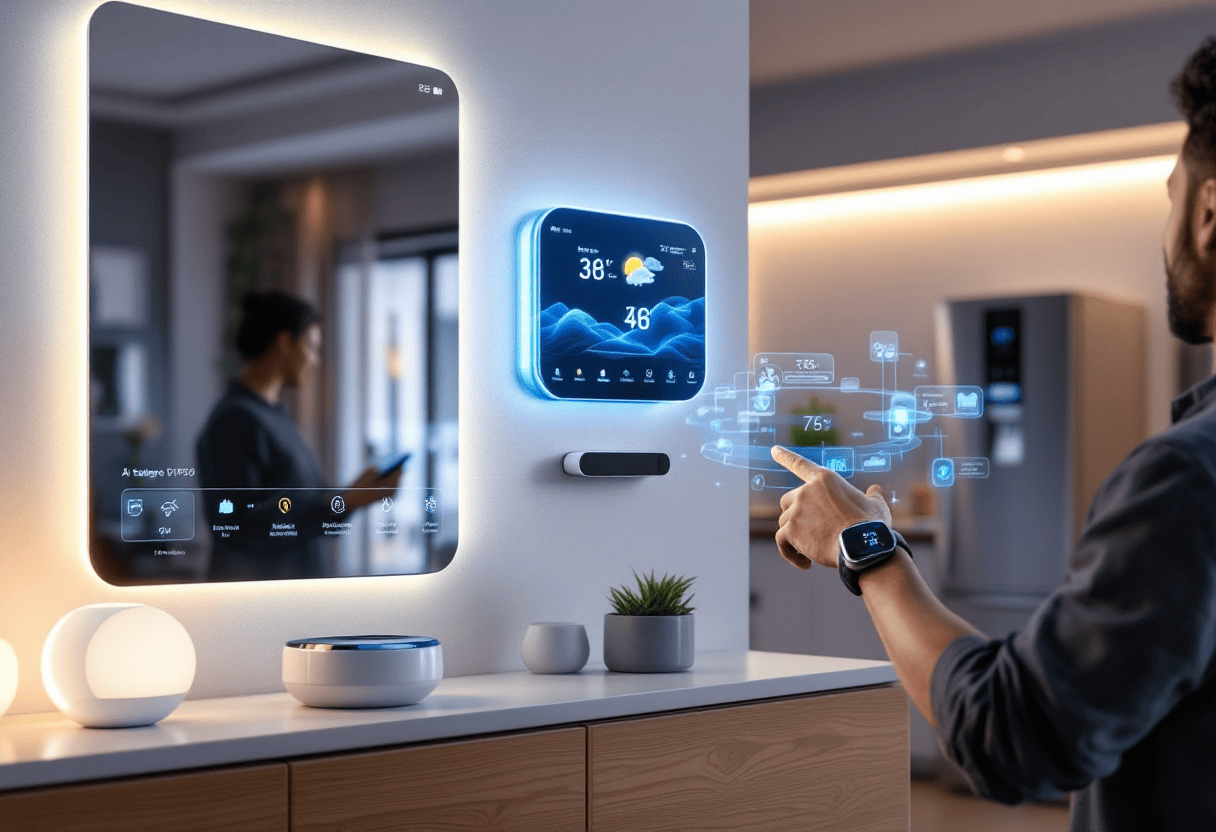
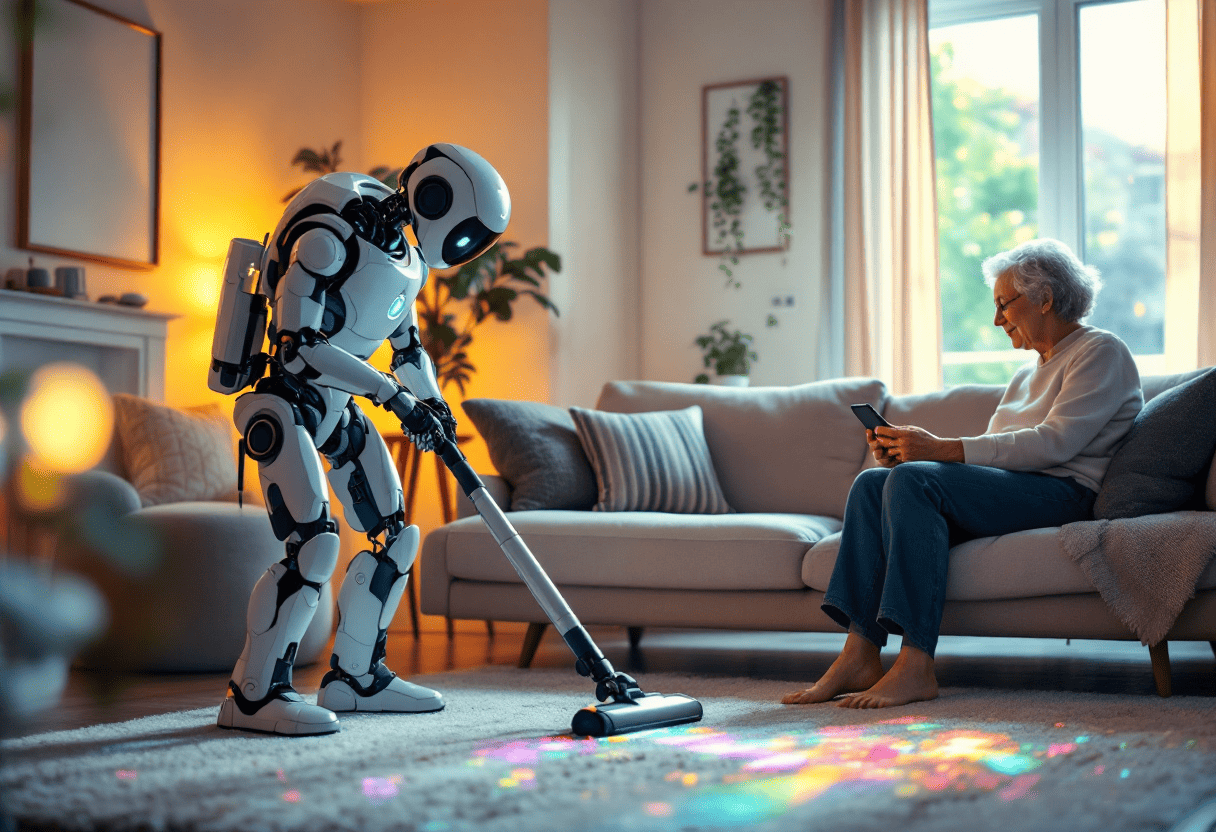
In recent years, smart gadgets have transitioned from luxury items to essential components of our everyday lives. From smartwatches that monitor our health to AI-powered home assistants that simplify daily tasks, the integration of intelligence into everyday devices is revolutionizing how we live, work, and interact.
Smartphones were the first gateway to this transformation. But today, we have smart refrigerators that tell us when groceries are low, thermostats that learn our preferences, and even smart mirrors that give us news updates while we brush our teeth. The speed at which these gadgets are evolving is astonishing, and the line between science fiction and reality continues to blur.
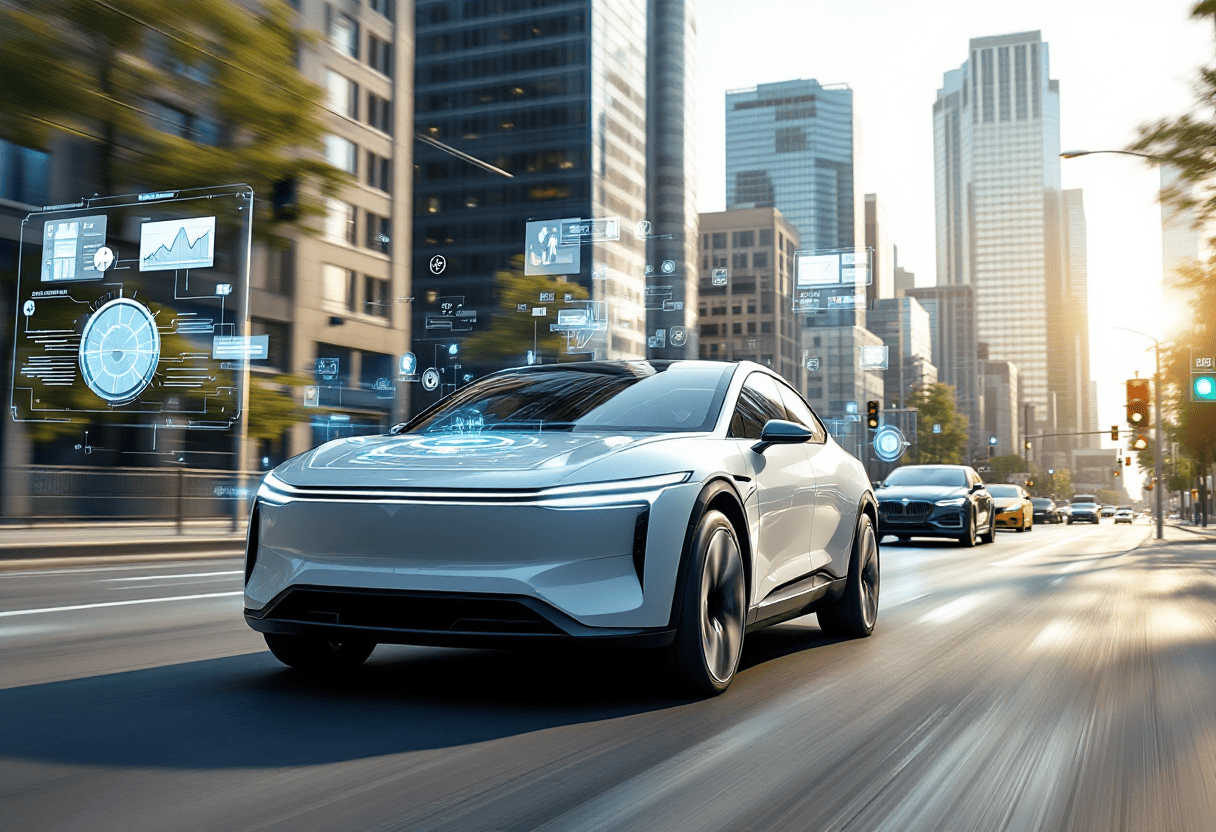
One of the most impactful developments is the use of artificial intelligence (AI) within these gadgets. AI enables devices to learn from our behavior, adapt to our routines, and predict our needs. For example, AI in smartwatches not only counts steps but also offers health suggestions, sleep pattern analysis, and even alerts for irregular heartbeats. This personalized technology is becoming more accurate, more accessible, and more ingrained in daily life.
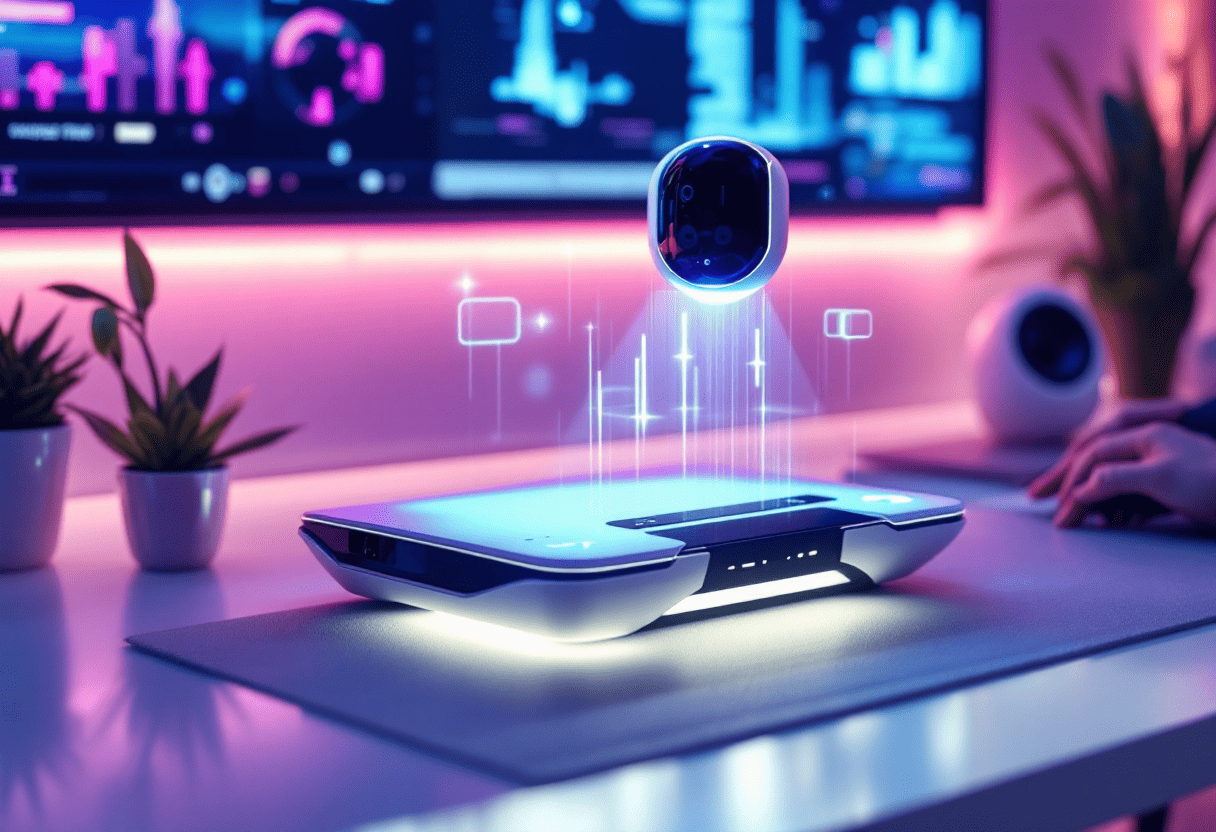
Moreover, the Internet of Things (IoT) is at the heart of this evolution. IoT connects multiple devices into a seamless network, allowing them to communicate with each other and share data. Imagine waking up and your alarm triggers the coffee machine, adjusts your thermostat, and turns on the morning news — all without you lifting a finger. These kinds of integrations are not just convenient, they’re game-changers.
Looking ahead, we can expect even more from smart gadgets. Augmented reality (AR) glasses, emotion-sensing devices, and brain-computer interfaces are already in development. These advancements promise to take personalization and user interaction to new heights. In retail, for example, AR could allow users to try products virtually before buying. In healthcare, emotion-aware AI could provide mental health support by analyzing facial expressions and voice tone.
However, this future also presents challenges. Privacy concerns, data security, and the digital divide are real issues that must be addressed as smart tech becomes ubiquitous. Manufacturers and developers must take ethical responsibility for how these gadgets collect and use personal information.
In conclusion, smart gadgets are no longer optional — they’re the foundation of our connected future. As AI, IoT, and machine learning continue to evolve, so too will the gadgets we depend on. For businesses in the electronics space, staying ahead of these trends is crucial. And for consumers, the future holds endless possibilities, convenience, and perhaps a few surprises.
Make Your Business Online By The Best No—Code & No—Plugin Solution In The Market.
30 Day Money-Back Guarantee
Say goodbye to your low online sales rate!