
AI Assistants Changing Everyday Life

AI assistants, such as Siri, Alexa, and Google Assistant, have gone from being digital novelties to reliable partners in our daily routines. Their transformation is driven by advancements in natural language processing, machine learning, and smart integrations that make them increasingly useful and intuitive.
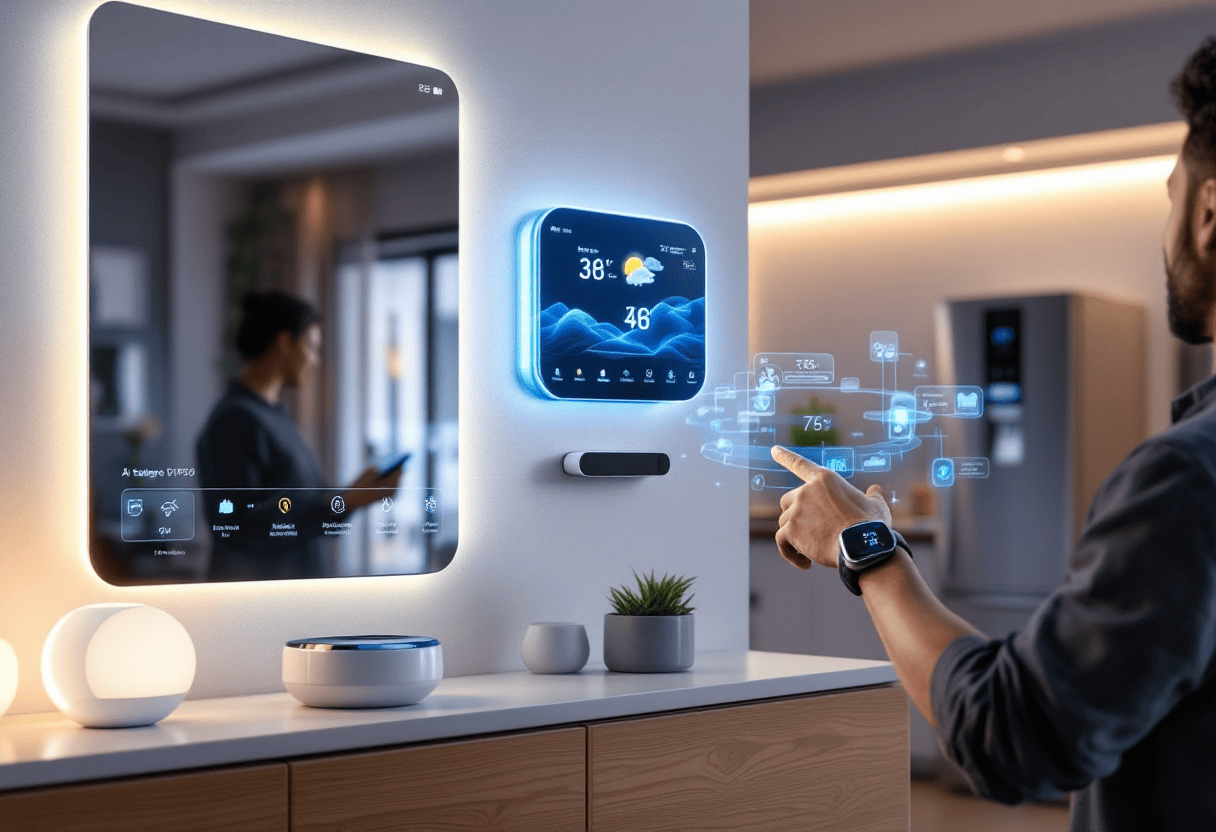
In the home, AI assistants help manage smart devices, set reminders, play music, provide weather updates, and even control lighting or security systems. This hands-free interaction offers convenience and efficiency, especially for busy households. Parents can ask Alexa to help with homework questions or Google Assistant to turn on lullabies for bedtime. The seamless integration of AI into the home ecosystem is making daily tasks more manageable than ever.
In the workplace, AI assistants support productivity by managing calendars, sending reminders, scheduling meetings, and even transcribing conversations. Virtual meeting assistants, like Zoom AI Companion, can summarize discussions, identify action items, and reduce the manual effort required to track work progress. This is particularly valuable in remote work settings where digital collaboration is essential.
AI assistants are also playing an important role in accessibility. Voice-activated technology helps users with visual impairments or limited mobility access information, control their environment, and communicate more easily. These applications go beyond convenience, enhancing quality of life and promoting digital inclusivity.
Another transformative area is customer service. AI-powered chatbots and voice agents are being used by businesses to handle inquiries, process orders, and resolve common issues around the clock. This not only improves customer satisfaction but also reduces the need for large customer service teams.
With the rise of generative AI, assistants are becoming more creative and conversational. Tools like ChatGPT are capable of composing emails, writing code, brainstorming ideas, and generating content with impressive accuracy. These capabilities are revolutionizing knowledge work and enabling users to focus on higher-level thinking.
Yet, there are challenges. Privacy remains a major concern, as these assistants often rely on continuous data collection. Transparency about what is being recorded and how it is used is crucial for user trust. Additionally, issues around bias in AI systems must be addressed to ensure fair and equitable service.
Looking forward, AI assistants are poised to become even more proactive. Instead of waiting for commands, they could anticipate needs based on context, habits, or emotional state. Imagine your assistant suggesting a walk after noticing long screen time, or proposing a playlist based on your mood. These developments will make AI assistants not just helpful, but deeply personal.
In summary, AI assistants are no longer futuristic ideas — they are practical tools improving how we live and work every day. As technology matures, their role will expand even further, offering personalized, anticipatory support that transforms the human-machine relationship.
Make Your Business Online By The Best No—Code & No—Plugin Solution In The Market.
30 Day Money-Back Guarantee
Say goodbye to your low online sales rate!